Showing posts with label Sharps. Show all posts

Wednesday, October 18, 2017

OSHA's New Fact Sheet on Preventing Zika Virus Exposure in Healthcare Workers

OSHA has released a new fact sheet on preventing Zika virus exposure in biomedical laboratory and other healthcare workers.
The Zika virus was found in the Americas and the Caribbean in 2015. Symptoms include fever, rash and joint pain. The virus, which can spread from a pregnant woman to her fetus, has been linked to a serious birth defect of the brain known as microcephaly.

Zika virus is primarily spread through the bites of infected mosquitoes. There is no vaccine to prevent Zika virus infection, and there is no specific treatment for people who become infected. Although Zika virus is primarily spread by infected mosquitoes, exposure to an infected person’s blood or other body fluids may also result in transmission. 
Outdoor workers may be at the greatest risk of exposure to Zika virus.  Some workers, including those working with insecticides in areas of active Zika transmission to control mosquitoes and healthcare workers who may be exposed to contaminated blood or other potentially infectious materials (OPIM) from people infected with Zika virus, may require additional protection. 
Although, to date, there are no absolutely confirmed reports of transmission of Zika virus from infected patients to health care personnel or other patients in the United Sates; minimizing exposure to body fluids is important to reduce the possibility of such transmission. The CDC has previously recommended Standard Precautions in all health care settings to protect both health care personnel and patients from infection with Zika virus as well as from blood-borne pathogens (e.g., human immunodeficiency virus [HIV] and hepatitis C virus [HCV]).


The New OSHA fact sheet on the Zika virus details how laboratory exposures occur, often through bodily fluids, and how to prevent exposures. Labs should undergo risk assessments, OSHA advises, with the fact sheet detailing the standards, recommendations and biosafety practices to follow.
OSHA also looks at worker training required under its (BBP) Bloodborne Pathogens Standard (1910.1030), and what employers should do in the case of an exposure or if a worker shows signs/symptoms of the virus.
Guidance to Healthcare and Laboratory Workers
  • Employers and workers in healthcare settings and laboratories should follow standard infection control and biosafety practices (including universal precautions) as appropriate, to prevent or minimize the risk of Zika virus transmission.
  • Standard precautions include, but are not limited to, hand hygiene and the use of (PPE) Personal Protective Equipment to avoid direct contact with blood and other potentially infectious materials, including laboratory specimens/samples. PPE may include gloves, gowns, masks, and eye protection.
  • Hand hygiene consists of washing with soap and water or using alcohol-based hand rubs containing at least 60 percent alcohol. Soap and water are best for hands that are visibly soiled. Perform hand hygiene before and after any contact with a patient, after any contact with potentially infectious material, and before putting on and upon removing PPE, including gloves.
  • Laboratories should ensure that their facilities and practices meet the appropriate (BSL) Biosafety Level for the type of work being conducted (including the specific biologic agents – in this case, Zika virus) in the laboratory.
  • Employers should ensure that workers: Follow workplace standard operating procedures (e.g., workplace exposure control plans) and use the engineering controls and work practices available in the workplace to prevent exposure to blood or other potentially infectious materials.
  • Employers should ensure workers do NOT bend, recap, or remove contaminated needles or other contaminated sharps. Properly dispose of these items in closable, puncture-resistant, leak-proof, and labeled or color-coded containers. Workers should use sharps with engineered sharps injury protection (SESIP) to avoid sharps-related injuries.
The fact sheet notes that the Zika virus is “a nationally notifiable condition” and labs should consult the Centers for Disease Control and Prevention for reporting guidelines.
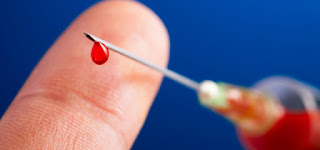
HCSI - sharps
If an employee becomes infected, the CDC recommends that infected individuals rest, drink fluids, and take acetaminophen for fever and pain reduction. Infected persons should avoid further mosquito bites by covering skin and using an insect repellent containing DEET.

Employers should ensure that workers receive prompt and appropriate medical care for suspected Zika infection. If the exposure falls under OSHA’s BBP standard, employers must comply with OSHA medical evaluation and follow-up requirements. Also employers should consider options for granting sick leave during the active period of infection.

Sources: www.hcsiinc.com, www.osha.gov, www.cdc.gov, www.safetyandhealthmagazine.com 
 Healthcare Compliance Solutions Inc.

To subscribe to this blog, enter your email address:


Delivered by FeedBurner

Wednesday, July 13, 2016

Five Areas that Require Bio-hazard Labeling

 HCSI

The Bloodborne Pathogens Standard outlines the regulations for bio-hazard labeling and color-coding. Three signals can alert you to the presence of a bio-hazard or bio-hazardous waste: the word “bio-hazard”, the bio-hazard symbol, or the fluorescent orange or orange-red color-coding.

These five areas are ones to watch for bio-hazard labeling in your facility:

1. Regulated medical waste containers and other containers (according to OSHA) that warning labels must be affixed to:
  • Containers of regulated waste,
  • Refrigerators and freezers containing blood or other potentially infectious material; and
  • Other containers used to store, transport or ship blood or other potentially infectious materials.
EXCEPTIONS include:
  • Containers of blood, blood components, or blood products that are labeled and have been released for transfusion,
  • Individual containers of blood or other potentially infectious materials that are placed in a labeled container during storage, transport, shipment or disposal, or
  • Regulated waste that has been decontaminated.

2. Sharps Containers

Sharps containers must also be labeled or color-coded in accordance with the requirements of the Bloodborne Pathogens Standard.

3. Contaminated Laundry

The Bloodborne Pathogens Standard also requires contaminated laundry to be placed and transported in labeled or color-coded bags. When a facility utilizes Universal Precautions in the handling of all soiled laundry, alternative labeling or color-coding is sufficient if it permits all employees to recognize the containers as requiring compliance with Universal Precautions.
When a facility ships contaminated laundry off-site to a second facility which does not utilize Universal Precautions in the handling of all laundry, the facility generating the contaminated laundry must place such laundry in labeled or color-coded bags or containers.

4. Specimens

Specimens of blood or other potentially infectious materials must be placed in a container which prevents leakage during collection, handling, processing, storage, transport, or shipping. The container for storage, transport, or shipping must be labeled or color-coded and closed prior to being stored, transported, or shipped.

5. Equipment

Equipment that may become contaminated with blood or other potentially infectious materials shall be examined prior to servicing or shipping and shall be decontaminated as necessary, unless the employer can demonstrate that decontamination of such equipment or portions of such equipment is not feasible, according to OSHA. A readily observable bio-hazard label shall be attached to the equipment stating which portions remain contaminated.
Ensure that you have bio-hazard labeling or color-coding, as necessary, in these five areas and in other areas of your facility that fall under the guidelines of OSHA’s Bloodborne Pathogens Standard 1910.1030.  In practice, most facilities typically use BOTH bio-hazard labeling AND color-coding in most cases.

For more information please join the LinkedIn group: The Healthcare Compliance Solutions Administrative Alert

To subscribe to this blog, enter your email address:


Delivered by FeedBurner

Wednesday, April 27, 2016

OSHA & CDC Issue Zika Virus Guidance for Healthcare Workers

 Healthcare Compliance Solutions Inc.
To combat the spread of the Zika virus through occupational exposure, the Occupational Safety and Health Administration (OSHA) and the Centers for Disease Control and Prevention (CDC) have issued interim guidelines to protect healthcare workers.
Current evidence suggests that 1 in 5 people with the Zika virus infection develop symptoms. If present, mild symptoms begin 2 to 7 days after receiving a mosquito bite, and can include fever, rash, joint pain, red or pink eyes, myalgia, and headache; typically, symptoms can last for 1 week. During the first week of infection, Zika virus can be spread from an infected person to a mosquito via a mosquito bite. Additional transmission may occur through direct contact with blood or other bodily fluids of an infected individual.

“Employers and workers in healthcare settings and laboratories should follow good infection control and biosafety practices as appropriate, to prevent or minimize the risk of transmission of infectious agents,” the guidelines stated.

Employers and employees should meet OSHA’s bloodborne pathogen (BBP) standard, and laboratories should ensure that their facilities and practices meet the appropriate Biosafety Level (BSL) for the work being conducted.

“[The] CDC recommends healthcare workers use standard precautions during patient care regardless of suspected or confirmed Zika infection status,” according to the report.

The following are some additional suggestions for protecting healthcare employees from Zika virus:

● Wash with soap and water, using alcohol-based hand rubs of at least 60% alcohol content.

● Wash hands before and after contact with patients or potentially infectious material.

● Wash hands before and after putting on or removing personal protective equipment (PPE).

● Do not bend, recap, or removed contaminated needles or sharps.

● Properly disposed of contaminated needles or sharps in closable, leak-proof, puncture-resistant, labeled or color-coded containers.

● Use sharps only with sharps engineered injury protection (SESIP) to avoid sharps-related injuries.

● Report all needlesticks, lacerations, and exposures to supervisors as soon as possible.

If an employee becomes infected, the CDC recommends that infected individuals rest, drink fluids, and take acetaminophen for fever and pain reduction. Infected persons should avoid further mosquito bites by covering skin and using an insect repellent containing DEET.

Employers should ensure that workers receive prompt and appropriate medical care for suspected Zika infection. If the exposure falls under OSHA’s BBP standard, employers must comply with OSHA medical evaluation and follow-up requirements. Also employers should consider options for granting sick leave during the active period of infection.

Further information regarding the guidance can be found here.


To subscribe to this blog, enter your email address:


Delivered by FeedBurner

Tuesday, October 27, 2015

Proper Sharps Disposal and Containers

Handling Sharps and Needles

Sharps Containers (also referred to as Sharps Disposal Containers, Medical Waste Disposal Containers, Biomedical Waste Disposal Containers, etc.) are specially made containers used to contain hazardous "piercing" instruments and reduce the chance of spreading infection. It is standard practice in developed and even underdeveloped countries for used needles to be placed immediately into a sharps container after a single use, with only a few exceptions to the general rule. Needles are dropped into the container without touching the outside of the container. Needles should never be pushed or forced into the container, as damage to the container and/or needlestick injuries may result. Proper use of a sharps container includes pick up by or delivery to an approved "red bag" or medical waste treatment site. In addition to this pre-existing safety measure, all U.S. medical and educational staff are federally required to be tested on their knowledge of bloodborne pathogens.

A sharps container is a term for a specially-made container that is predominantly used for medical needles and any other sharp medical instruments, such as an IV catheter. They are available in one of two types:

Single-use sharps containers - which are disposed of with the waste inside.

Reusable sharps containers - which are robotically emptied and sterilized before being returned for re-use.

Sharps is the term used to describe any item that is capable of puncturing the skin such as syringes, needles, lancets, broken glass with blood on it, scalpels, etc. Because these 'sharps' potentially have disease-carrying blood or other potentially infectious materials on them, they are capable of 'injecting' that blood or fluid into anyone who comes in contact with them. Examples of sharps include:
  • Needles, syringes, lancets, broken glass with blood on it
  • Suture needles, scalpel blades, butterflies (both traditional and safety)
  • Vacutainer tubes (both plastic and glass)
  • Phlebotomy needles with vacutainer tube holder attached
  • Capillary tubes (both plastic and glass)
  • IV catheters
  • Dental anesthetic carpules with blood
  • Dental wires and endodontic files
  • Other sharp objects contaminated with blood such as box cutters and broken glass
For regulated businesses, such as healthcare faculties, in addition to sharps, regulated medical waste is defined by OSHA as:
  • Pathology and microbiological waste
  • Liquid or semi-liquid blood or other potentially infectious materials (OPIM*)
  • Items caked with dried blood or OPIM
  • Items that could release blood or OPIM
*OPIM: semen, vaginal secretions; fluids from around the spine, brain, joints, lungs, heart, and abdomen; saliva in a dental procedure; any body fluid with visible blood; any unidentifiable body fluid; and unfixed tissue.
Examples of non-sharps regulated medical waste include Tubing with blood in it and Blood-soaked gauze. Regulated medical waste does not include urine, feces, sputum, sweat, tears, or saliva or any items containing or once containing these fluids such as urine cups, incontinence pads, or diapers.

Preventing Injuries
Before you use a sharp object, such as a needle or scalpel, make sure you have all the items you need close by. This includes items like alcohol swabs, gauze, and bandages.

Also, know where the sharps disposal container is. Check to make sure there is enough room in the container for your object to fit. It should not be more than 2/3 full.

Some needles have a protective device, such as a needle shield, sheath, or blunting, that you activate after you remove the needle from the patient. This allows you to handle the needle safely, without the risk of exposing yourself to blood or body fluids. If you are using this kind of needle, make sure you know how it works before you use it.

Follow these guidelines when you work with sharps.
  • Do not uncover or unwrap the sharp object until it is time to use it.
  • Keep the object pointed away from you and other persons at all times.
  • Never recap or bend a sharp object.
  • Keep your fingers away from the tip of the object.
  • If the object is reusable, put it in a secure, closed container after you use it.
  • Never hand a sharp object to someone else or put it on a tray for another person to pick up.
  • Tell the people you are working with when you plan to set the object down or pick it up.

Sharps Disposal
Make sure the disposal container is made for disposing of sharp objects. Replace containers when they are 2/3 full.
Other important tips include:
  • Never put your fingers into the sharps container.
  • If the needle has tubing attached to it, hold the needle and the tubing when you put it in the sharps container.
  • Sharps containers should be at eye level and within your reach.
  • If a needle is sticking out of the container, do not push it in with your hands. Call to have the container removed. Or, a trained person may use tongs to push the needle back into the container.
  • If you find an uncovered sharp object outside of a disposal container, it is safe to pick it up only if you can grasp the non-sharp end. If you cannot, use tongs to pick it up and dispose of it. 
According to OSHA, healthcare employees must have access to sharps containers that are easily accessible to the immediate area where sharps are used (29 CFR 1910.1030(d)(4)(iii)(A)(2)(i)).
The FDA recommends that used needles and other sharps be immediately placed in FDA-cleared sharps disposal containers. The FDA has evaluated the safety and effectiveness of these containers and has cleared them for use by health care professionals and the public to help reduce the risk of injury and infections from sharps.
FDA-cleared sharps disposal containers are made from rigid plastic and come marked with a line that indicates when the container should be considered full, which means it’s time to dispose of the container.

How do the Bloodborne Pathogens standard and the Needlestick Safety and Prevention Act apply to you?  OSHA's Bloodborne Pathogens standard (29 CFR 1910.1030), including its 2001 revisions, applies to all employers who have an employee(s) with occupational exposure (i.e., reasonably anticipated skin, eye, mucous membrane, or parenteral contact with blood or other potentially infectious materials (OPIM) that may result from the performance of the employee's duties). These employers must implement the requirements set forth in the standard. Some of the new and clarified provisions in the standard apply only to healthcare settings, but other provisions, particularly the requirements to update the Exposure Control Plan and to keep a sharps injury log, apply to non-healthcare as well as healthcare settings. Make sure your staff are properly trained in OSHA compliance standards and have the required tools to perform their job safely.

Sources: www.osha.gov, www.fda.gov, U.S. National Library of Medicine and http://www.sharpscontainers.org/

For more information on this and other topics related to HR, HIPAA, OSHA, and Medicare, please email support@hcsiinc.com or visit our website at http://www.hcsiinc.com 
Become a member of our LinkedIn group at: http://bit.ly/1FWmtq6

To subscribe to this blog, enter your email address:

Delivered by FeedBurner